Introduction to Osteoarthritis Knee (Sandhigata Vata) and Ayurveda
Osteoarthritis of the knee, known as Sandhigata Vata in Ayurveda, is a common joint problem. Many people look for natural relief and gentle care. Ayurveda for osteoarthritis knee offers time-tested remedies and lifestyle tips. This ancient system uses herbs, therapies, and diet to help manage knee pain. In fact, Ayurveda focuses on balancing the body and mind. For those seeking natural relief for osteoarthritis, Ayurvedic treatment for knee pain may be a helpful option.
Common Symptoms and Causes
Osteoarthritis knee causes pain and stiffness. Often, people notice swelling and trouble moving the joint. Over time, the pain may get worse. Sometimes, the knee makes a cracking sound. The main causes include:
Because these factors add stress to the knee, they can speed up joint damage. Early care can help slow the process.
Ayurvedic Diagnosis and Principles for Sandhigata Vata
In Ayurveda, Sandhigata Vata means Vata dosha has settled in the joints. This leads to dryness, pain, and less movement. Ayurvedic doctors check your symptoms, lifestyle, and body type. They may also look at your diet and daily habits. Since Ayurveda treats the root cause, it aims to balance Vata and support joint health. Personalized care is a key part of this approach.
Ayurvedic Treatments for Osteoarthritis Knee
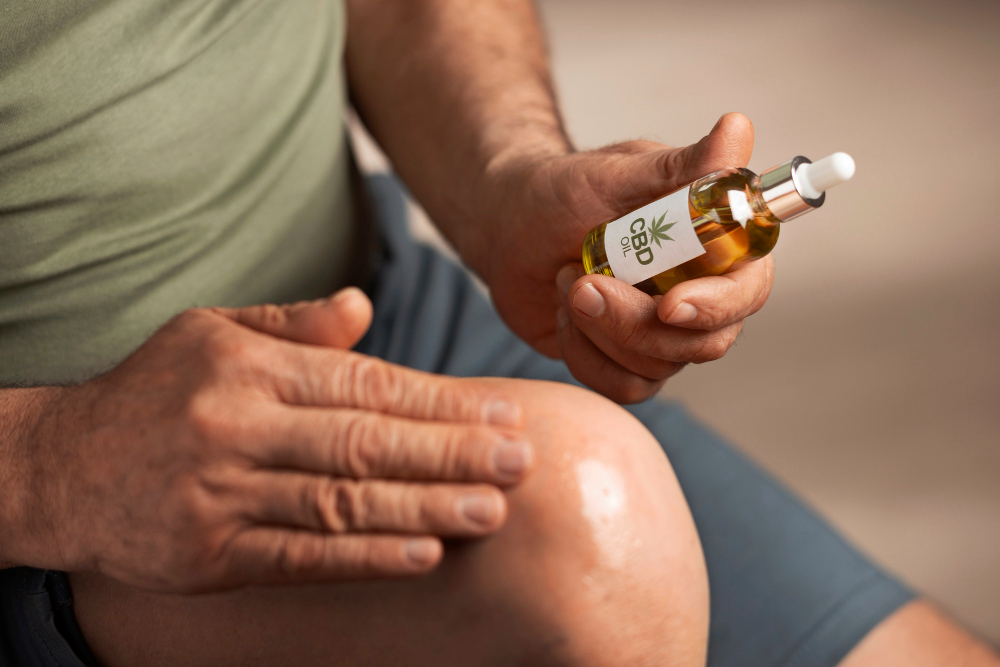
Ayurvedic treatment for knee pain uses many natural methods. These include herbs, oils, and special therapies. Some common options are:
Because each person is unique, an Ayurvedic doctor will suggest the best plan for you. Ayurvedic clinics in many cities offer these treatments under expert care.
Home Remedies and Lifestyle Guidance
Simple changes at home can support joint health. For example, you can:
Additionally, avoid sitting in one position for too long. Small steps can make a big difference over time.
Prevention Tips and Self-Care
Preventing knee osteoarthritis is possible with healthy habits. Try these tips:
Because early care helps, start these habits as soon as possible. Even small changes can protect your joints.
When to Consult an Ayurvedic Specialist
If knee pain does not improve with home care, seek expert help. You should also see a specialist if you have:
Ayurvedic clinics in your area can offer a full check-up and personalized plan. Early treatment can prevent further damage and improve your quality of life.
Conclusion
Ayurveda for osteoarthritis knee (Sandhigata Vata) offers natural relief and gentle care. With herbs, therapies, and healthy habits, you can manage knee pain and improve movement. However, always consult a qualified Ayurvedic specialist for personalized guidance on managing osteoarthritis knee (Sandhigata Vata).